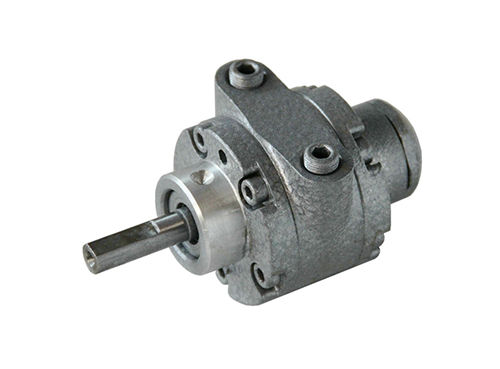
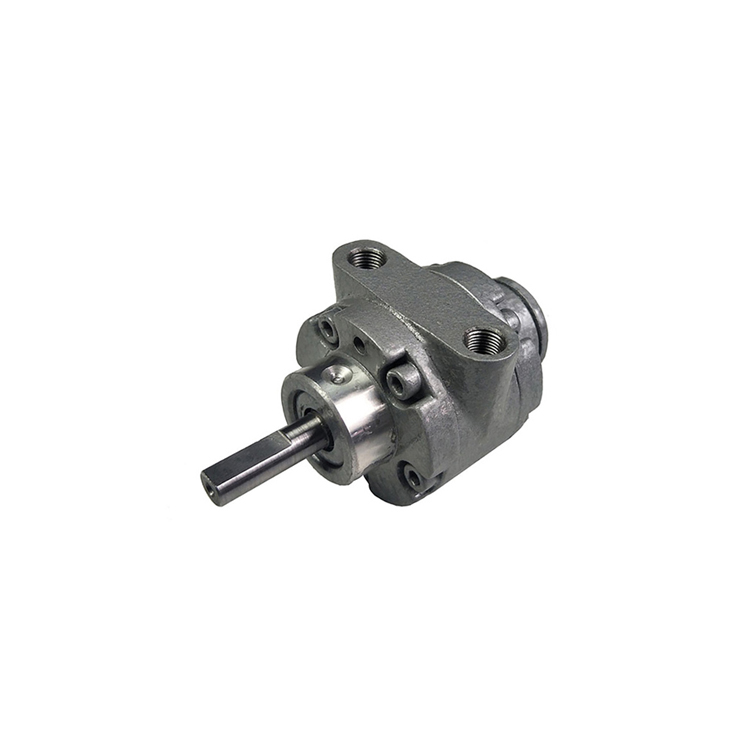
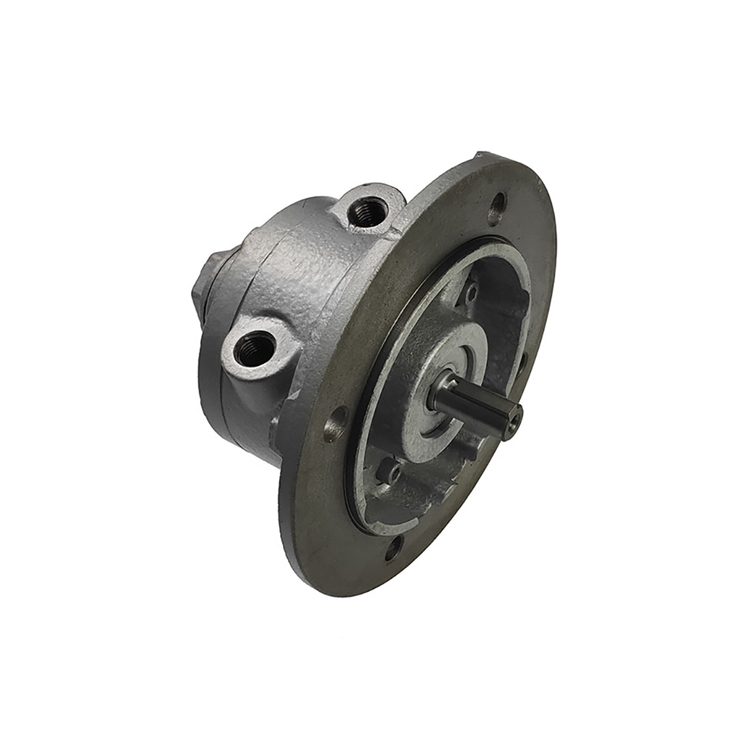
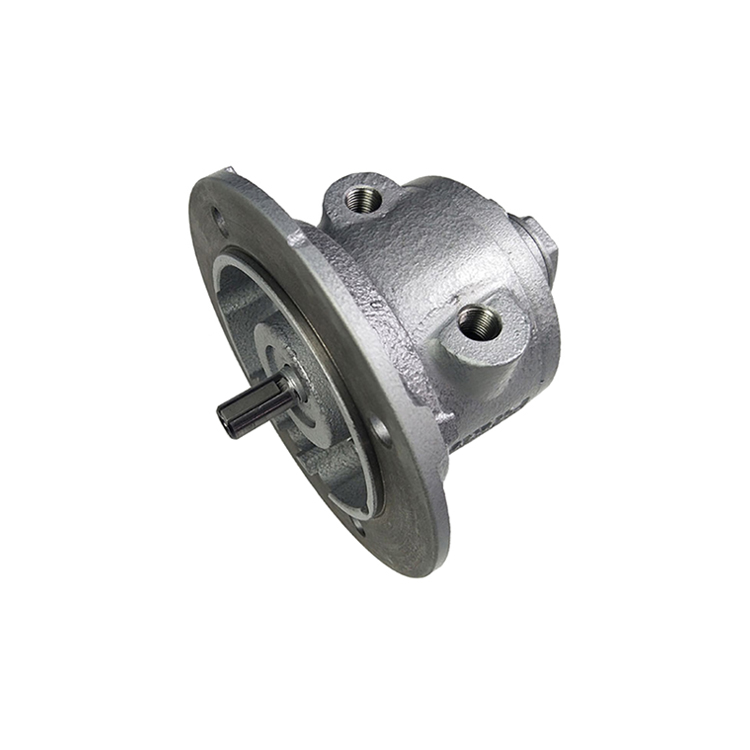
Vane Air Motor - SAN
₹ 16500 - 18000 INR + GST
What Is a Vane Air Motor?
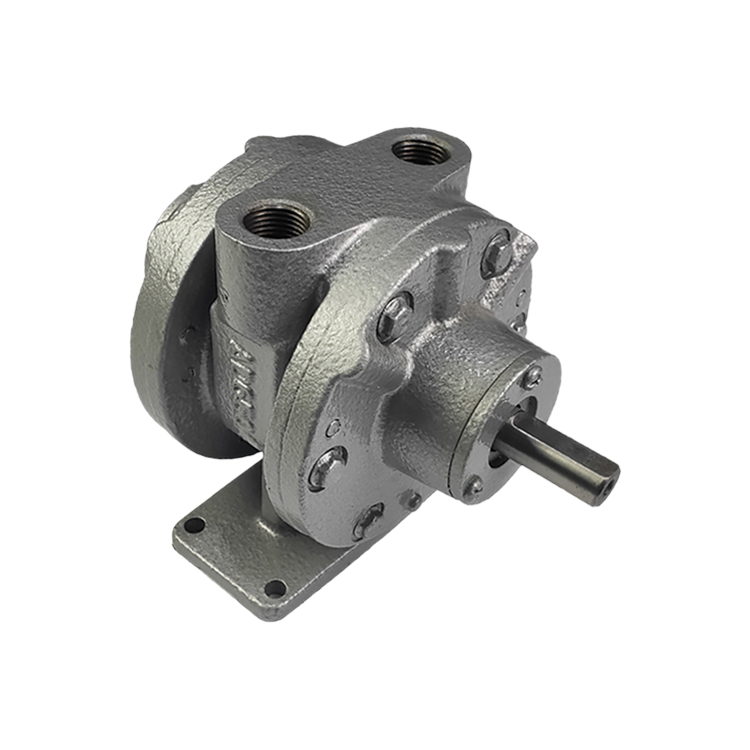
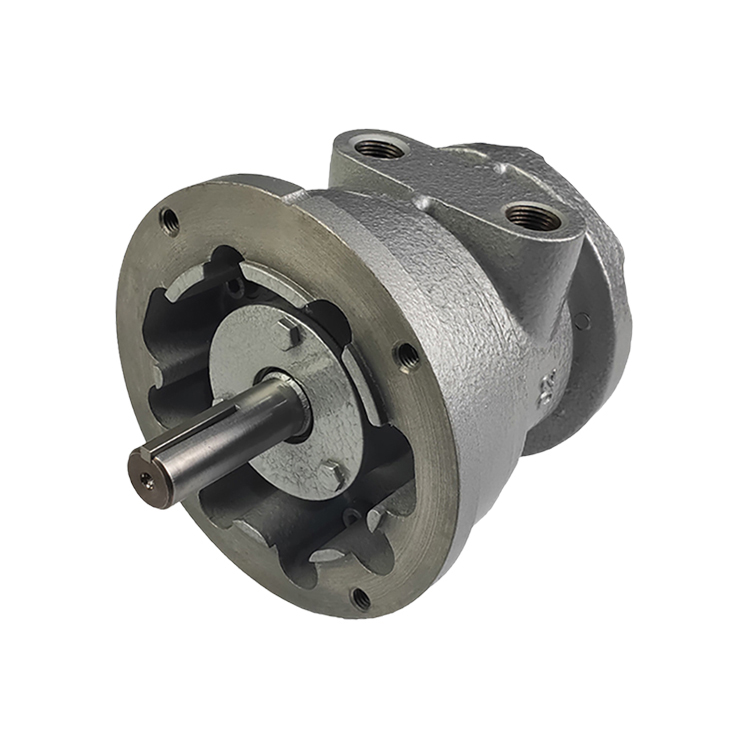
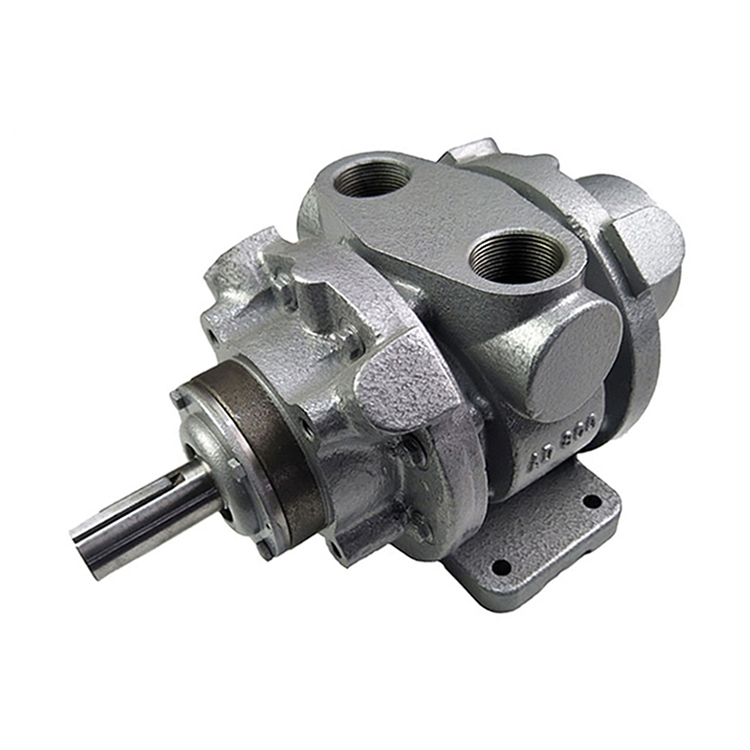
A Vane Air Motor is a rotary pneumatic device that converts compressed air into mechanical motion for industrial equipment. An air vane motor uses a rotor fitted with sliding vanes to generate continuous rotation as compressed air enters the motor chamber. Its compact construction allows controlled speed and torque for different operating requirements. An air vane motor can be used where reliable rotary power and flexible operation are required. When selecting equipment, businesses can evaluate products offered by experienced air motor manufacturers based on power, speed, torque, air consumption, application, and operating conditions.
Key Features of the Air Vane Motor
Designed for dependable industrial operation, the vane air motor combines compact construction with easy maintenance and adjustable speed and torque. The pneumatic air motor also provides flexible operation, while the air vane design supports reliable rotary movement across suitable applications.
- Reliable and efficient operation
- Easy to install and maintain
- Compact design
- Adjustable speed and torque control
- Versatile applications
- Low maintenance requirements
- Durable construction
- Applications
How Does a Pneumatic Air Motor Work?
Pneumatic vane motors are devices that convert compressed air energy into mechanical rotary motion. They operate on the principle of utilizing the force exerted by compressed air to drive a rotor or vane within the motor, resulting in rotational movement. Here's a basic explanation of how pneumatic vane motors work:
Compressed Air Supply:
Pneumatic vane motors rely on a source of compressed air as their power input. Compressed air is typically supplied through a pneumatic system, which could include compressors and a network of pipes.
Motor Housing:
The vane motor consists of a housing that encloses the internal components. The housing is designed to withstand the forces generated during operation.
Rotor or Vane Assembly:
Inside the motor housing, there is a rotor or vane assembly. This assembly is a critical component responsible for the conversion of pneumatic energy into mechanical motion. The rotor or vane is typically mounted off-center within the motor housing. It is free to rotate about its axis.
Vanes and Stator:
In a vane motor, vanes are flat, rectangular blades or slats that are mounted radially on the rotor. The number of vanes can vary based on the design of the motor. The stator, which is part of the motor housing, contains slots or compartments that house the vanes. As the rotor turns, the vanes slide in and out of these slots.
Air Inlet and Outlet:
Compressed air enters the motor through an inlet port, usually located on the side of the housing. The air flows into the motor, creating pressure differentials that drive the rotor.
Sequential Compression:
As the compressed air enters the motor, it pushes against the vanes, causing them to move outward and follow the contour of the stator. The rotor's off-center placement ensures that the vanes undergo a sequential compression and expansion cycle as the rotor turns.
Rotational Motion:
The sequential compression and expansion of the vanes create a unidirectional force on the rotor, resulting in continuous rotary motion. This rotational motion can be harnessed for various applications, such as driving machinery, pumps, or other mechanical systems.
Exhaust:
After the compressed air has exerted its force on the vanes, it exits the motor through an exhaust port, completing the cycle. Pneumatic vane motors are appreciated for their simplicity, reliability, and ability to deliver consistent torque across a range of speeds. They find applications in industries where clean and reliable power sources are required, such as manufacturing, automation, and aerospace. Motor power available from 0.5 hp upto 9.5 hp.
Benefits of Using a Vane Air Motor
A vane air motor provides controlled rotary motion, compact construction, and flexible operation for industrial machinery. Working with established air motor manufacturers can help users select a pneumatic air motor suited to their required speed, torque, power, and operating conditions.
1. Adjustable Speed and Torque
A vane air motor allows operating speed and torque to be adjusted according to the application and load requirements. This provides greater flexibility across different industrial processes.
2. Compact and Lightweight Design
Its compact construction makes it suitable for machinery where installation space is limited. The design can also simplify integration into different industrial equipment.
3. Reliable Industrial Operation
Designed for continuous rotary motion, vane air motors can provide dependable performance in suitable industrial applications. Their simple operating principle supports consistent mechanical operation.
4. Easy Installation and Maintenance
The straightforward construction of a vane air motor can make installation and routine maintenance more manageable. Proper air supply and regular servicing help maintain reliable performance.
5. Versatile Applications
Vane air motors can be used in conveyors, pump drives, packaging machinery, material handling systems, and other equipment requiring pneumatic rotary power.
6. Suitable for Variable Operating Requirements
Pneumatic operation allows the motor to be adapted to different speed and torque requirements. This makes it useful for industrial machinery with changing operational demands.
Applications of Air Motors
A vane air motor can provide dependable rotary power for various industrial systems, including conveyors, pump drives, material handling equipment, packaging machinery, assembly lines, automated production lines, and industrial robots. Air motor manufacturers develop configurations suited to different operational requirements.
- Conveyor systems
- Pump drives
- Material handling equipment
- Packaging machinery
- Assembly lines
- Automated production lines
- Industrial robots
At SAN Industrial Goods Pvt Ltd, we are committed to providing the highest quality products to our customers. That's why we offer this top-of-the-line air vane motor, designed to meet the demanding needs of your industrial and manufacturing applications. With its reliable and efficient operation, adjustable speed and torque control, and durable construction, this motor is the perfect choice for your needs. So why wait? Choose SAN Industrial Goods Pvt Ltd for your next industrial machinery purchase.
Industries That Use Vane Air Motors
A vane air motor can support rotary motion across industries requiring compact and controllable pneumatic power. A pneumatic air motor can be selected according to the application's operating requirements, equipment configuration, and available compressed-air supply.
- Automotive Industry: Used for machinery and material-handling operations requiring pneumatic rotary power.
- Chemical Industry: Suitable for selected equipment where compressed-air operation is required.
- Manufacturing Industry: Supports production machinery, assembly systems, and automated processes.
- Packaging Industry: Can drive equipment involved in packaging and material movement.
- Construction Industry: Applicable to selected pneumatic machinery and equipment.
- Material Handling: Supports conveyors and other equipment requiring controlled rotary motion.
How to Choose the Right Vane Air Motor
Selecting the right vane air motor requires consideration of the application's power, speed, torque, air pressure, and operating conditions. An air vane motor should be matched with the equipment's load and required working speed rather than selected only by maximum power. A vane type air motor can be evaluated using the following factors:
- Power: Determine the required horsepower for the application.
- Speed: Consider required operating and variable speed.
- Torque: Match starting and running torque with the load.
- Air Supply: Check available pressure and air consumption.
- Application: Consider operating environment, duty cycle, and installation requirements.
- Maintenance: Review accessibility and recommended maintenance requirements.
Frequently Asked Questions About Vane Air Motors
What Is a Vane Air Motor?
A vane air motor is a rotary pneumatic device that converts compressed air into mechanical motion. It uses a rotor fitted with sliding vanes to generate continuous rotary movement for industrial equipment.
How Does a Vane Air Motor Work?
A vane air motor works by directing compressed air into the motor chamber, where it acts on the sliding vanes fitted to the rotor. This creates rotary movement that is transferred to the output shaft.
What Are the Benefits of Using a Vane Air Motor?
Vane air motors offer adjustable speed and torque, compact construction, easy installation and maintenance, and flexible operation. They can be suitable for equipment requiring controlled pneumatic rotary power.
Where Are Vane Air Motors Used?
Vane air motors can be used in conveyors, pump drives, packaging machinery, material handling systems, assembly lines, automated production lines, and industrial robots.
Which Industries Use Air Vane Motors?
Vane air motors can support applications across automotive, chemical, manufacturing, packaging, construction, and material-handling industries where pneumatic rotary power is required.
How Do I Choose the Right Vane Air Motor?
Consider the required power, operating speed, starting and running torque, available air pressure, air consumption, application conditions, duty cycle, installation requirements, and maintenance accessibility.
What Is an Air Vane Motor Used For?
An air vane motor is used where reliable rotary power and flexible pneumatic operation are required. Applications can include conveyors, pump drives, packaging equipment, material handling, and automated machinery.
What Maintenance Does a Vane Air Motor Require?
Routine maintenance should include checking the air supply, connections, and motor condition, along with following the recommended servicing requirements. Proper maintenance can support reliable operation.
What Should I Consider When Choosing Air Motor Manufacturers?
When evaluating air motor manufacturers, consider their product configurations, technical specifications, manufacturing experience, application suitability, and ability to support requirements related to power, speed, torque, and operating conditions.
Product Variation
| Image | SKU | air pressure | air consumption | power | rpm | torque | Action |
|---|---|---|---|---|---|---|---|
| 6 bar | 20.7 cfm | 0.45 hp | 10000 | 0.31 nm | |||
| 6 bar | 30 cfm | 0.9 hp | 3000 | 2 nm | |||
| 6 bar | 78 cfm | 1.7 hp | 3000 | 4 nm | |||
| 6 bar | 128 cfm | 4.0 hp | 3000 | 10 nm | |||
| 6 bar | 175 cfm | 5.25 hp | 2500 | 14.40 nm | |||
| 6 bar | 275 cfm | 9.50 hp | 2000 | 34 nm |